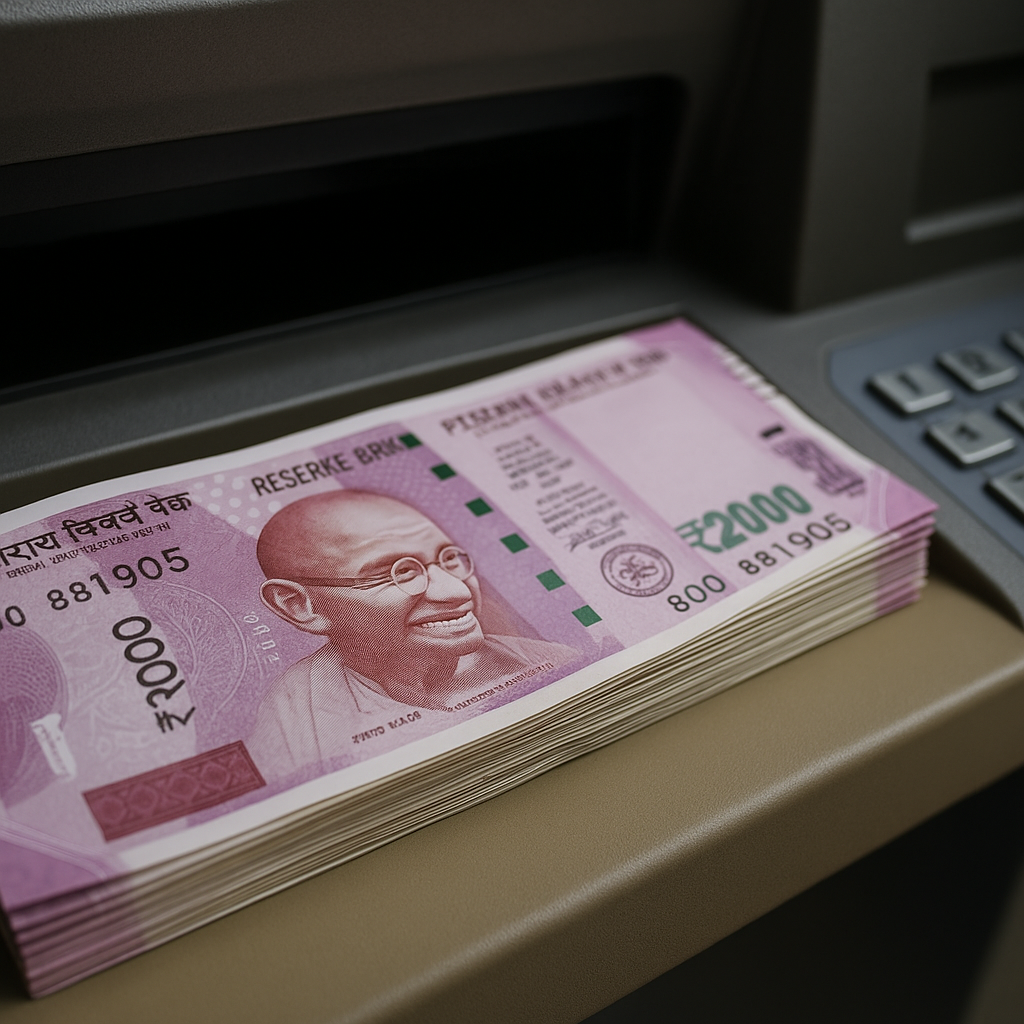
TDS Applicability on Cash Withdrawals in India
The Finance Act 2019 introduced Section 194N in the Income Tax Act, which mandates Tax Deducted at Source (TDS) on cash withdrawals exceeding certain thresholds. This measure aims to discourage cash transactions and promote digital payments.
Applicability
Payers Responsible for TDS Deduction
- Banks
- Cooperative societies engaged in banking
- Post offices
Recipients Subject to TDS
- Any person withdrawing cash, except:
- The Government (Central or State)
- Banks
- Business correspondents of a banking company
- White-label ATM operators
Thresholds and TDS Rates
For Individuals Who Have Filed Income Tax Returns for the Last Three Years
- No TDS on cash withdrawals up to ₹1 crore in a financial year.
- TDS at 2% on amounts exceeding ₹1 crore.
For Individuals Who Have Not Filed Income Tax Returns for the Last Three Years
- No TDS on cash withdrawals up to ₹20 lakh.
- TDS at 2% on withdrawals between ₹20 lakh and ₹1 crore.
- TDS at 5% on withdrawals exceeding ₹1 crore.
Key Points
White Label ATMs
These are ATMs set up and operated by non-banking entities authorized by the Reserve Bank of India (RBI). Withdrawals from such ATMs are exempt from TDS under Section 194N.
Aggregation of Withdrawals
The threshold limits are calculated based on the aggregate amount of cash withdrawals during the entire financial year from all branches of the same bank or cooperative society.
TDS Certificate
The bank or cooperative society is required to issue Form 16A to the account holder, showing the TDS deducted, within 15 days from the due date of filing the TDS return.
Frequently Asked Questions
1. If I have filed income tax returns for the last two years and plan to withdraw ₹18 lakh this year, will TDS be deducted?
No, TDS will not be deducted under Section 194N, as the withdrawal does not exceed ₹20 lakh. If the withdrawal exceeds ₹20 lakh, TDS will be applicable as per the prescribed rates.
2. Does the current assessment year's ITR count towards the three-year requirement for TDS exemption?
No, only the preceding three years' ITRs are considered. For instance, for the financial year 2020-21, ITRs for 2019-20, 2018-19, and 2017-18 are taken into account.
3. How can I claim credit for TDS deducted on cash withdrawals?
The TDS deducted can be claimed as credit while filing the income tax return. The TDS amount will be reflected in Form 26AS, which can be used to claim credit.
4. Are there any exemptions from TDS on cash withdrawals?
Yes, TDS is not applicable on:
- Withdrawals by Government entities
- Withdrawals by banks
- Withdrawals from white-label ATMs
- Withdrawals below the threshold limits
Impact on Taxpayers
Benefits
- Promotes digital transactions
- Reduces cash circulation in the economy
- Helps in tracking large cash transactions
- Encourages tax compliance
Considerations
- Taxpayers need to ensure they have filed ITRs for the last three years to avail higher threshold limits
- TDS credit needs to be properly claimed while filing returns
- Large cash withdrawals may attract scrutiny from tax authorities
Conclusion
Section 194N is an important provision aimed at promoting digital payments and reducing cash transactions. Taxpayers should be aware of the thresholds and TDS rates applicable to them to plan their cash withdrawals accordingly. It's advisable to maintain proper documentation and ensure timely filing of income tax returns to avoid higher TDS rates.
For assistance with understanding TDS provisions, claiming TDS credit, or ensuring compliance with Section 194N, please contact our team of expert Chartered Accountants.